

April 28, 2025
Yi Heng Sung


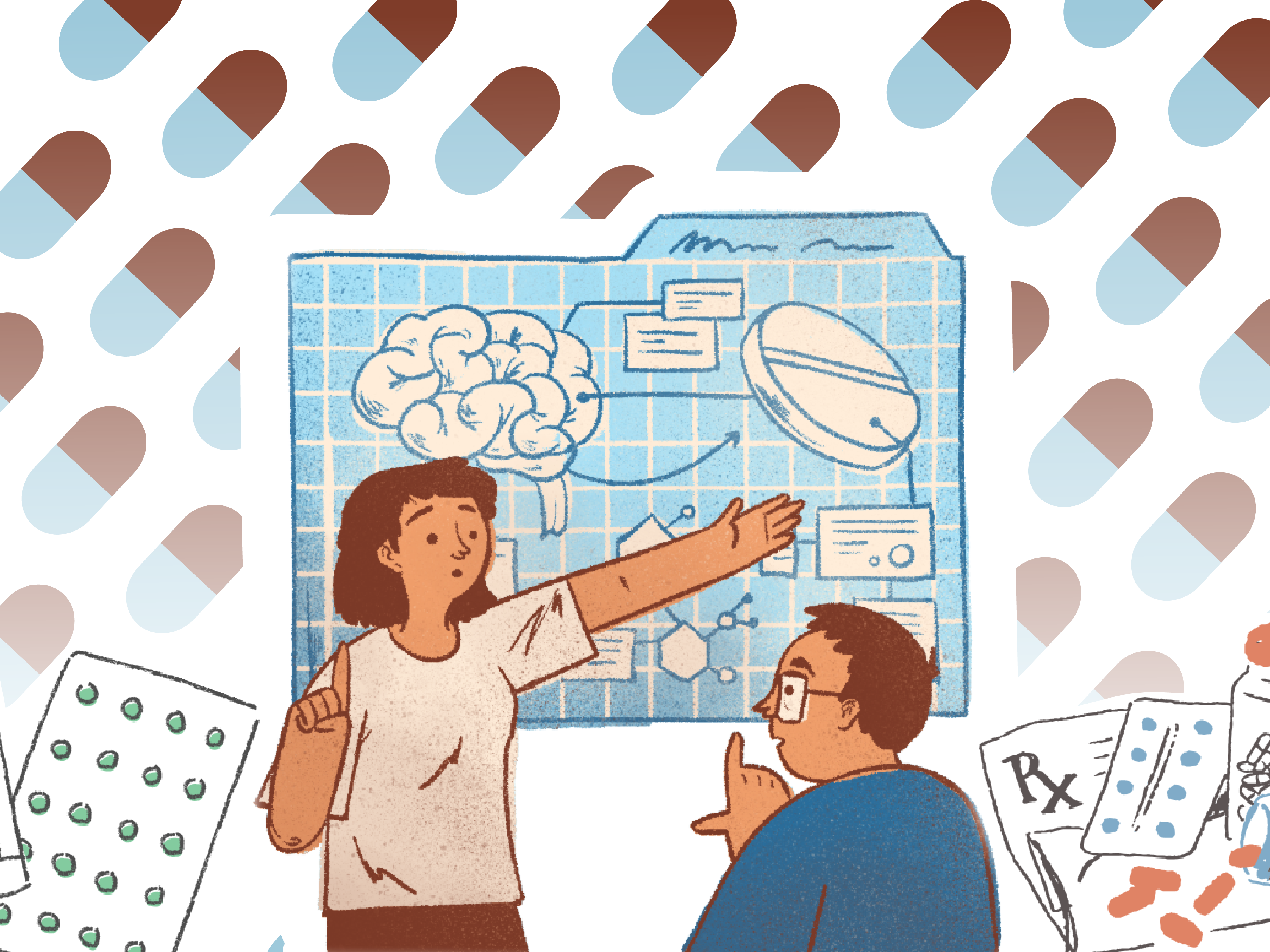
This is an educational activity I designed and conducted at the NEMO Science Museum in the Netherlands as my research project from Master program in Science Education and Communication. Through a guided narrative reflection process, I encouraged children and their parents to revisit what they saw during their visit, clarify moments they didn’t understand, and connect those experiences to everyday life. The goal was not just to make the museum visit fun, but to deepen learning through storytelling and dialogue. This project served as a design experiment to explore how such reflective conversations can meaningfully enhance informal science learning.
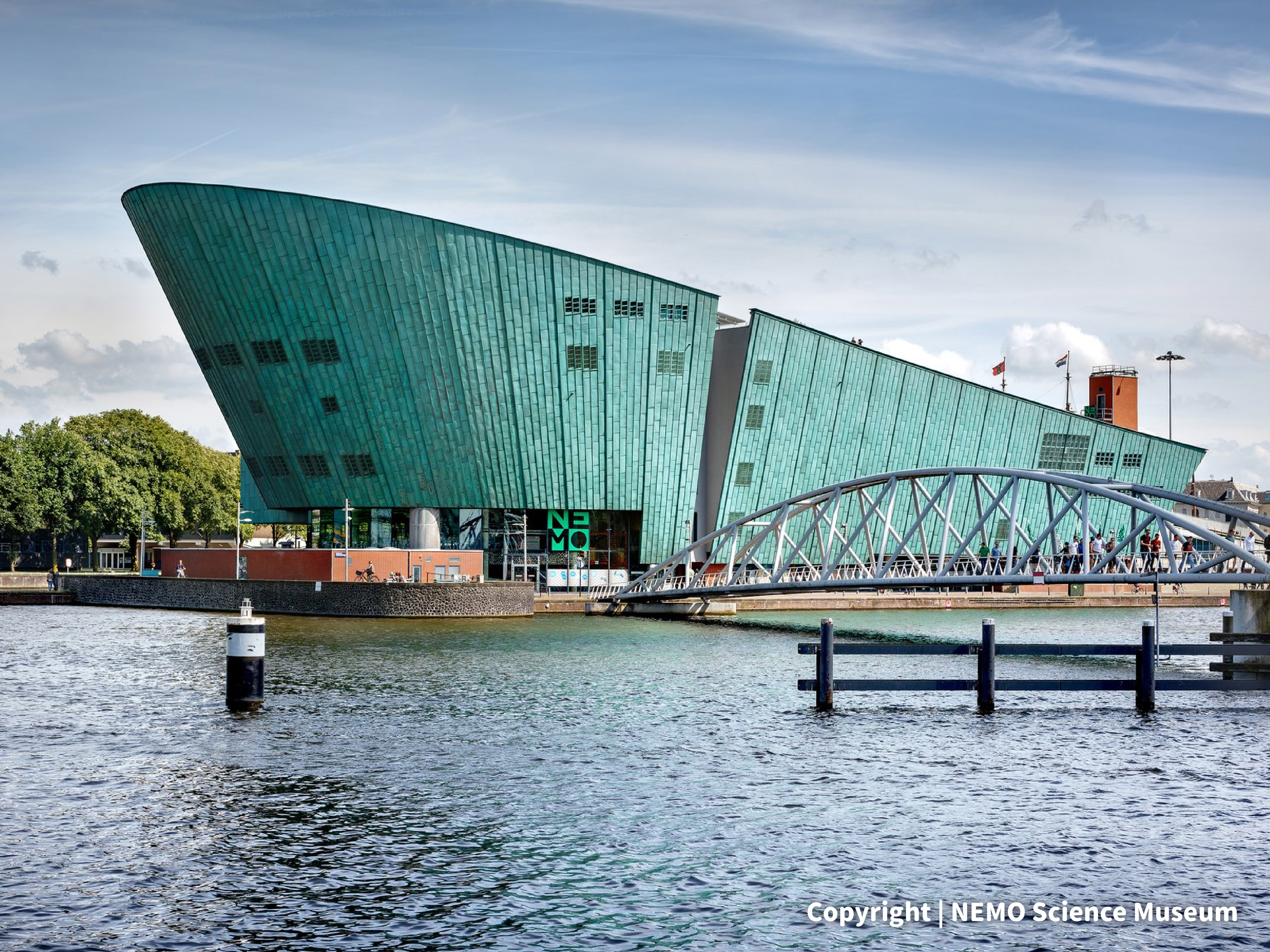
I am extremely privileged to obtain a lot of guidance and assistance from:
Supervisor | Prof. dr. W.R. (Wouter) van Joolingen | Utrecht University
Supervisor | Rooske Franse | NEMO Science Museum
And all the kind supports from related organizations, groups, and people are deeply appreciated from heart.
This was a field-based research and educational design project I conducted during my master’s studies in collaboration with the NEMO Science Museum in the Netherlands. I led the project from concept to execution, transforming educational theory into a hands-on activity tailored for family visitors in an informal learning setting.
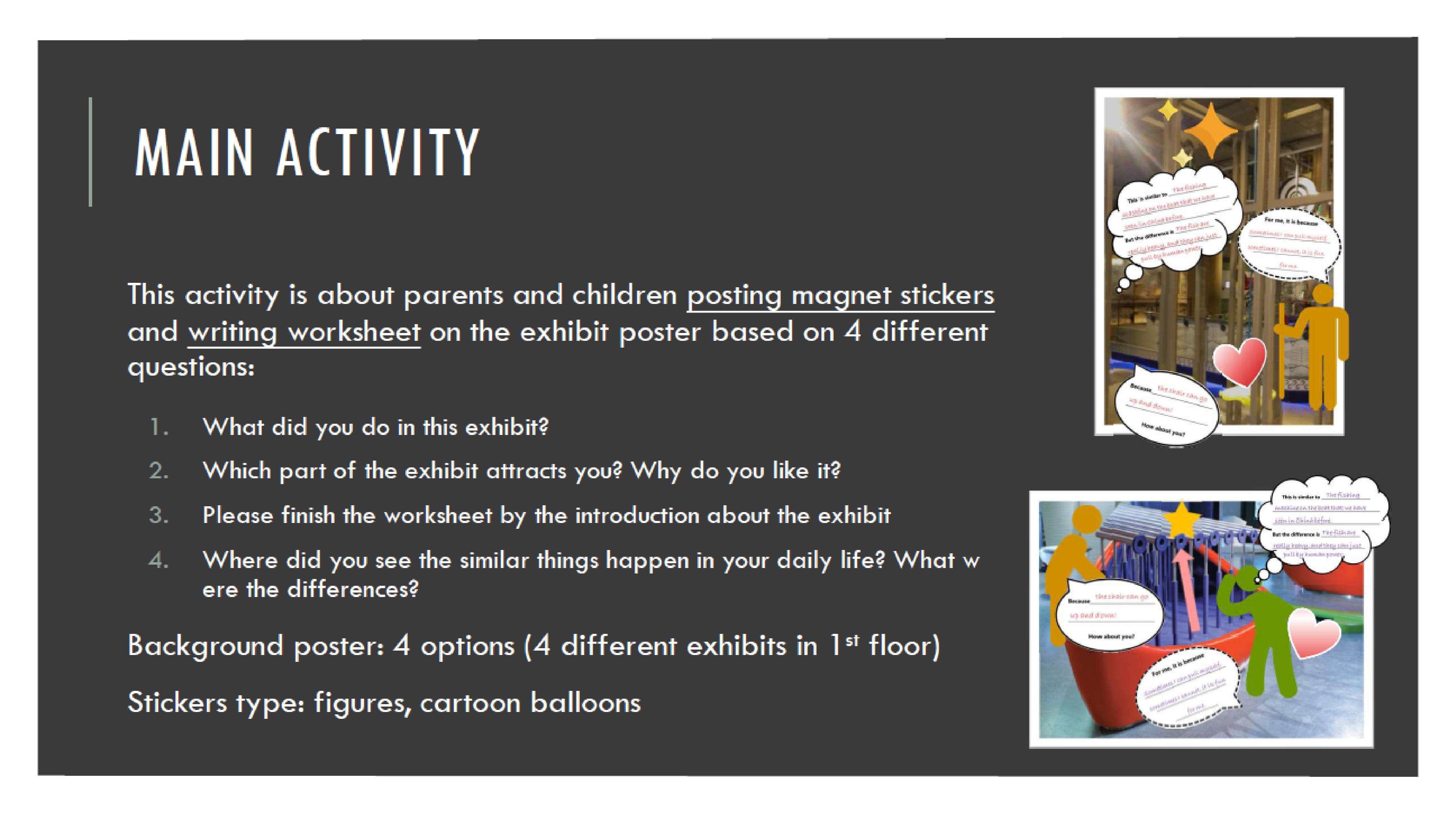
Inspired by the concept of narrative reflection—a learning strategy that extends understanding through storytelling and conversation—I developed a customized activity that fit the space and visitor flow of NEMO. Families were invited to pause after exploring exhibits, reflect on what they saw, talk about how it works, and make connections to everyday life. This approach aimed to transform a typical museum visit into a meaningful learning moment through shared reflection.
Eight families participated in the study, and the activity was documented through video recordings and post-visit interviews. While many families already had a strong sense of science relevance in daily life, the activity helped children become more aware of scientific principles behind the exhibits, and parents discovered new ways to engage their children in science talk. The findings suggest that verbal guidance could further enhance the learning process, and recommend developing a digital version of the activity for broader educational use in museums.
#Academic Research #Educational Program Design #Informal Learning #Science Communication #STEM #Learning Assessment #Science Museum Education #Event Planning #Promblem Solving #Academic Writing #Research Design #
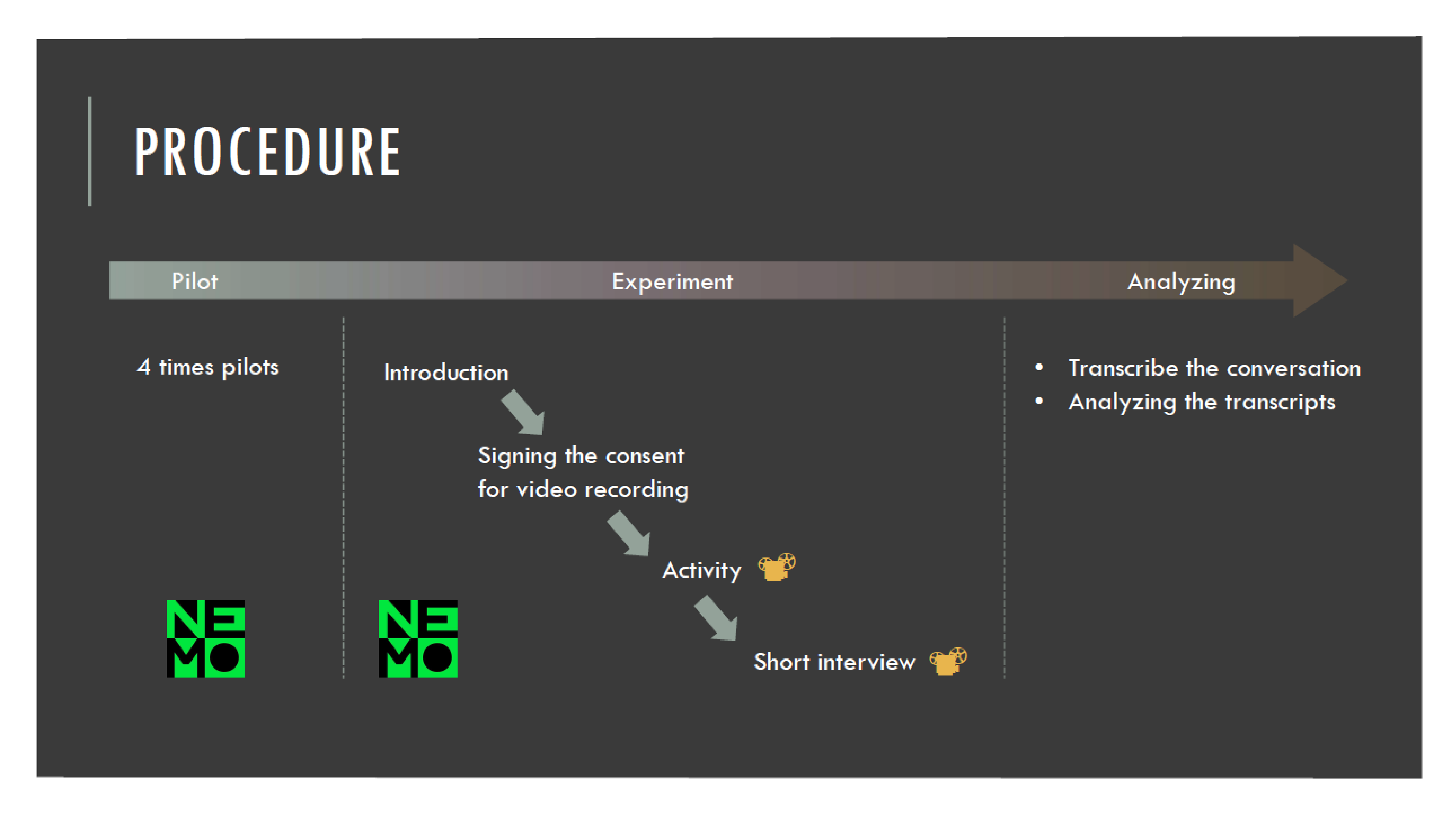
This was a project I led from start to finish—research, design, implementation, analysis, and academic writing. It was more than a thesis; it was a hands-on exploration of how to turn educational theory into a meaningful learning experience.
This project introduced me to the concept of narrative reflection for the first time. Through a deep review of Haden, Cohen, Uttal, & Marcus (2015), I gained a clear understanding of how storytelling can enhance learning, the theoretical underpinnings of the method, and how it has been applied in museum setting.
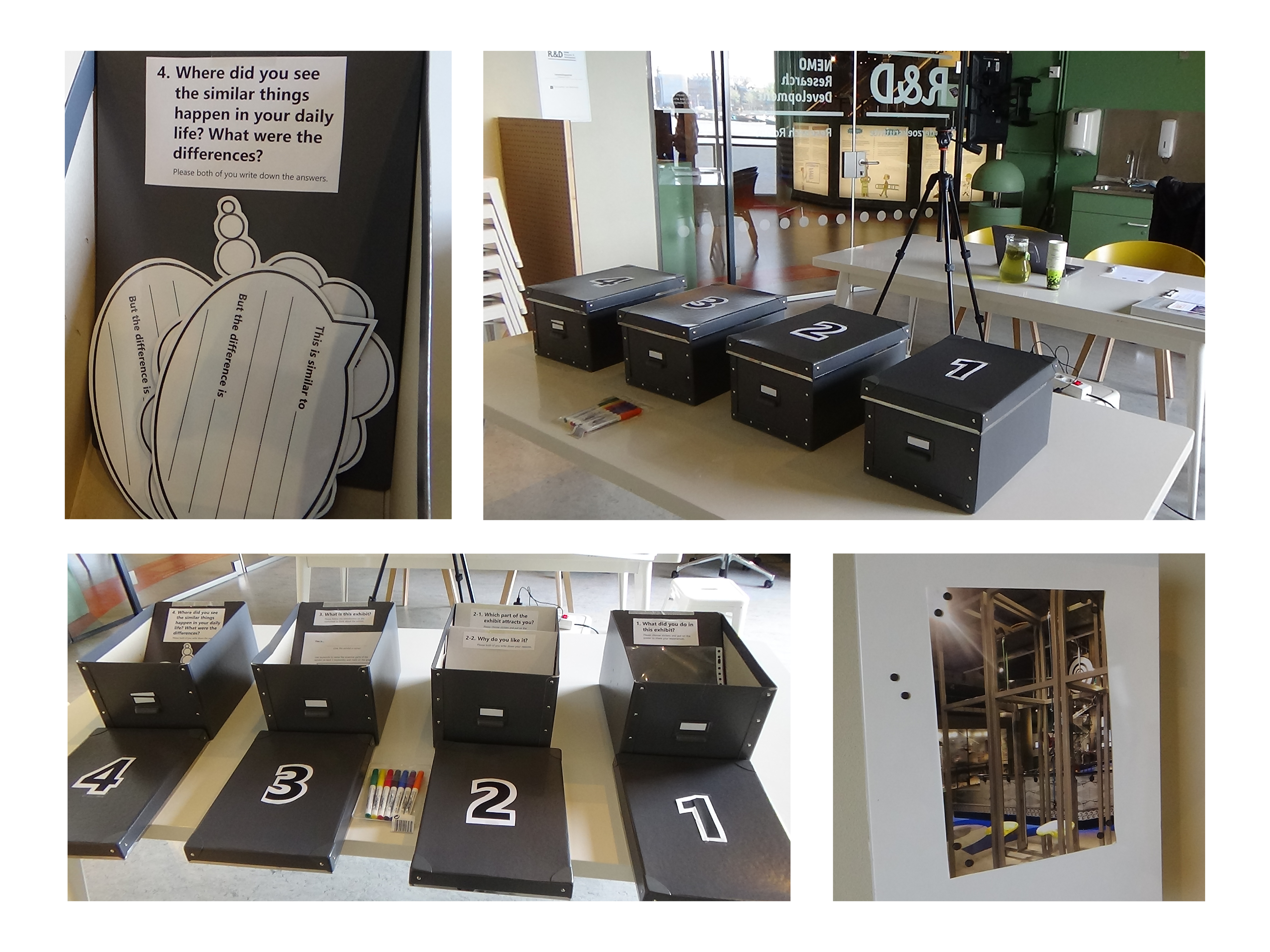
At NEMO, a museum known for hands-on exhibits, I noticed that children were often highly engaged, but not always reflective. I designed a post-visit activity that maintained the fun while introducing space for reflection. Using comic-style posters, expressive stickers, and guided speech bubbles, the activity helped children and their parents revisit what they experienced and connect it to their everyday lives—without feeling like a test or assignment.
I ran four rounds of pilot testing to optimize the flow and prompts. One challenge was language—I don’t speak Dutch, and many local families are not fluent in English. To address this, I specifically recruited families that spoke either English or Mandarin at home. I reached out to Chinese communities in the Netherlands and international schools, ultimately securing nine participating families, with eight included in the final analysis.
I personally transcribed and open-coded all recorded conversations and interviews, developing a framework that aligned with my research questions. I also trained myself in qualitative methods to ensure the reliability and clarity of my data interpretation.
I compiled the entire project into a publishable-quality academic paper, including literature review, methodology, and recommendations. I also offered practical insights for future development, such as adding verbal scaffolding or creating a digital version to expand accessibility.
This project showed me that great educational design requires more than accurate content—it takes empathy, careful structure, and the ability to engage learners on their own terms. That’s the kind of design I strive to create: thoughtful, research-informed, and joyfully participatory.
This event not only allowed me to complete an educational design experiment but also enabled me to witness firsthand the power of "narrative" and "reflection" in enhancing learning.
After the event, over half of the participating families reported recognizing the educational value of the activity, and about 40% of the participants mentioned they enjoyed it simply because it was fun. These responses hold great significance for me, not only confirming the success of my design but also validating my belief—that a good learning design does not need to sacrifice fun to provide profound insights.
The children demonstrated new understandings of scientific principles during the activity. For example, one child only realized the function of a "pulley" after the activity—although she knew it was a mechanical device, through narrative and dialogue, she discovered for the first time that "I can lift myself effortlessly because of the pulley principle," and she said, "I never thought about it while playing with the exhibition, but after the activity, I understand it better." Another girl said, "I now look at things differently," which strongly showed me how narrative activities can spark children's interest in exploring the logic behind phenomena.
For parents, the activity also provided new perspectives and ways of observation. One parent mentioned that she saw her child learning from the perspective of an observer for the first time and realized how important images and text are for children's learning and understanding. Furthermore, two parents even expressed interest in using such methods in daily life to discuss phenomena with their children and learn together. One parent shared, "I already knew that science is related to life, but this experience made me truly feel and see it."
After the closure of the project, I gave a complete presentation about the project and the result to NEMO team and the faculty and students of Utrecht University. I have received a lot of positive feedback and questions, indicating that such a design is not just an experiment but has practical application potential.
The impact is not only presented in the academic field but also on my personal growth. Though this one-year project, there has been a psychological transformation. I learned to be a person with accountability that to accomplish something, I should not only rely on my advisor or systemic support; it is important to find the solutions by myself. When I couldn't find enough participating families, rather than giving up, I actively expanded my network, wrote recruitment posts, and contacted communities—until I achieved my goal. This experience has made me a more responsible person, more accountable for my work and life, and more proactive in problem-solving.
This research also deepened my understanding of the thinking behind Research & Development (R&D): new products are not perfect from the start; we need to bravely launch the first version and adjust and optimize based on user feedback to move closer to the ideal. This experience taught me that in anything, I should have the courage to take the first step, not get stuck in perfectionism. And maintaining a positive mindset to receive feedback, therefore I can gradually adjust the product to move closer to the ideal form.
Moreover, this research has shown me the power of narrative and storytelling. During the process, I have seen that many children and parents articulate what they saw and thought not only promoted dialogue but also helped them identify their blind spots. This fact reinforced my belief that storytelling can help others learn and, for the storyteller, is also a form of reflection and learning. This has deepened my passion for "storytelling" and "content creation." I believe that storytelling is not just about conveying information; but it's also a way to understand the world and organize one's inner thoughts. This experience is precisely the direction I hope to continue creating and practicing in the future.

Got a thought, a project, or just want to say hi? I’d love to hear from you!